










Not everyone who dreams of working in healthcare wants (or is able) to spend years in medical or nursing school. The good news is that there are several roles that you can pursue that don’t necessarily require a four-year degree.
The alternative pathways into healthcare often include faster training programs and more on-the-job learning. Below are a few examples that could be worth looking into if you’re eager to start a career in healthcare.
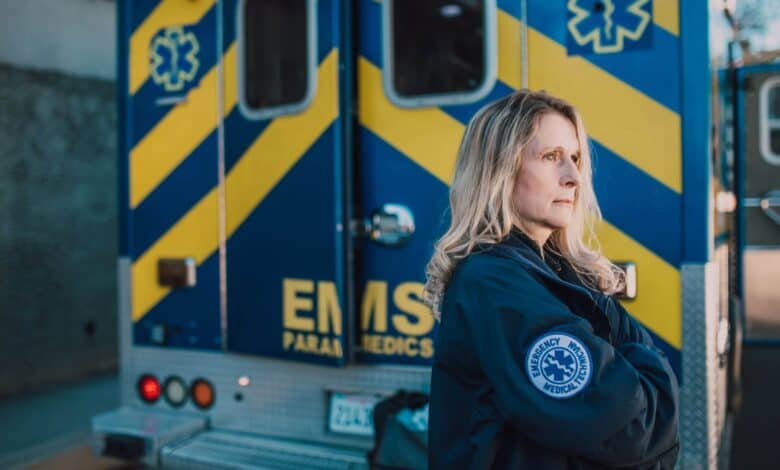
Work on the frontline as an EMT
Emergency medical technicians (EMTs) are often the first people on the scene during medical emergencies. They’re job is to stabilize patients, provide basic life support and transport them safely to hospital if needed.
Training only takes a few months and focuses on elements like CPR, trauma care, patient assessment and emergency protocols. Some community colleges and private training centers even offer evening and weekend classes to fit around other commitments.
You can explore ambulance EMT jobs online. It’s intense and fast-paced work, but a great option for those seeking out a meaningful career in which every day is different (you’ll not be stuck in the same building and will get to meet and help people from all walks of life).
Become a bedside hero with CNA training
Certified nursing assistants (CNAs) work closely with patients in hospitals, nursing homes and home-care settings. They typically help with activities like bathing, dressing, eating, mobility and basic health monitoring tasks like checking vital signs. They are the eyes and ears of a nursing team, noticing small changes in a patient’s condition before anyone else.
CNA training programs tend to be quite short – often between 4 and 12 weeks – and revolve around basic nursing skills, safety, communication and infection control. After completing the course, you’ll take a state exam to become certified.
If you’re compassionate and comfortable with close personal interaction, you could thrive in this career. It can also be a stepping stone to other higher roles such as becoming a fully qualified nurse or medical assistant.
Take on the medical admin behind the scenes
Every hospital and clinic needs a team of administrative staff to handle matters like booking appointments, billing customers, co-ordinating patients and organizing medical records. These jobs don’t involve direct clinical care, but are still vital to keeping healthcare services running smoothly.
While there are degrees you can take to get into these roles, it’s often possible to get your foot in the door without completing higher education. In fact, if you have previous admin experience, many hospitals and clinics will be happy to take you on and provide on-the-job training.
Look out for medical admin entry level roles advertised online and highlight skills like organization and communication when applying. Apprenticeships may be possible to find in some areas where you’ll receive a mixture of on-the-job and classroom training, often without the need for any previous paid admin experience.
Choosing your path
Each of these pathways allows you to work in a healthcare environment with patients where you can earn a decent income and enjoy a rewarding career. Determine where you think you are likely to thrive better: in emergencies, at the bedside or in the office/reception.