
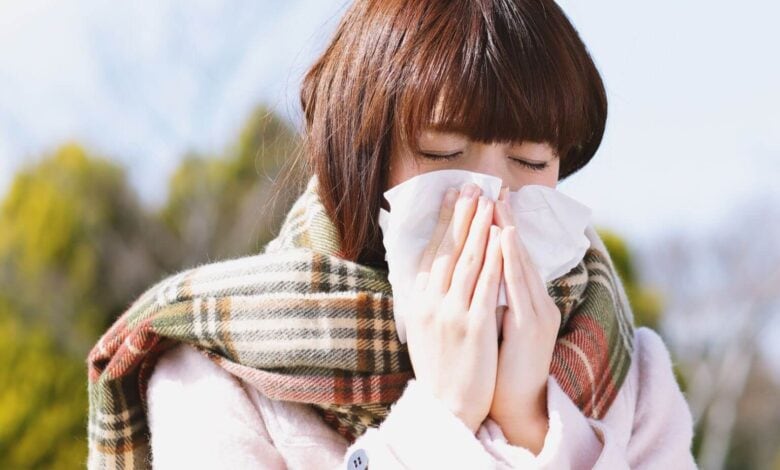
Seasonal allergies don’t just come from blooming trees or high pollen counts; they’re heavily influenced by what’s happening inside your home. Your HVAC system plays a bigger role than most people realise, controlling how air moves, what gets filtered out, and how long allergens stay circulating. Before blaming the outdoors, it’s worth looking at the air you’re breathing every day indoors.
Seasonal Allergies And Allergy Air Quality At Home
Because your house quietly becomes a storage unit for allergens. Pollen doesn’t just stay outside; it rides in on clothes, hair, pets, shoes, and grocery bags. Once indoors, it doesn’t blow away like it does outside. It settles into carpets, furniture, bedding, clothing, and air ducts, where it can hang around for months.
This is where allergy air quality becomes a real issue. Even when outdoor pollen counts drop at night or after rain, indoor exposure stays constant. Seasonal allergies often begin at home because indoor exposure is continuous and concentrated. People also spend longer, uninterrupted periods breathing the same air, which can trigger symptoms, especially first thing in the morning or late at night, even when outdoor pollen levels are moderate or declining. When allergy air quality inside the home is poor, symptoms linger longer than expected.
Does Air Quality Affect Allergies
Seasonal pollen is only part of the story. Indoor air quality controls what you’re breathing. 365 days a year, including indoor allergens that never disappear with the seasons. Dust mites, mold spores, pet dander, and microscopic debris from everyday living don’t take breaks.
In winter, sealed homes trap dry air and dust, and heating systems run for long periods. When furnace repair issues go unaddressed, airflow problems and dust buildup can quietly worsen indoor air quality. In spring and fall, pollen sneaks in and sticks around long after outdoor levels fall. Indoor air quality affects air quality allergies year-round because many indoor allergens are always present, regardless of season.
If your allergies are indoor, air quality is poor, and symptoms don’t follow the calendar, they follow your house. Ongoing irritation keeps airways sensitive, making seasonal allergens more impactful when they appear and leading to longer-lasting, more intense indoor air quality allergies.
Common Indoor Allergens In Your Home
Some of the biggest offenders are the ones people don’t see. Indoor allergens like dust mites thrive in bedding, upholstery, and carpets. Pet dander persists even in homes where pets are “hypoallergenic”. Mold spores are often hidden in HVAC systems, bathrooms, basements, and behind walls. Pollen gets tracked indoors and trapped in soft surfaces, while HVAC debris includes dust, insulation particles, and buildup inside ductwork.
The problem isn’t just their presence; it’s how easily indoor allergens stay airborne when disturbed by walking, cleaning, or HVAC airflow. These indoor allergens tend to accumulate in soft materials such as carpets, mattresses, upholstered furniture, and curtains, and airflow pathways like HVAC returns and ductwork can collect fine particles and redistribute them throughout the home during system operation.
Why Modern Homes Worsen Allergies Indoor Air Quality
Modern homes are built to be energy-efficient, not air-exchange efficient. Tighter construction means fewer drafts, less heat loss, and far less fresh air entering the home naturally. Older homes “leaked” air constantly. Newer homes seal it in.
Without proper ventilation and filtration, airborne particles remain indoors longer instead of being diluted by fresh air. This creates a cycle of indoor air quality allergies, where allergens circulate over and over through living spaces rather than exiting the home naturally.
Think of it like recycling the same glass of water all day. If nothing helps remove indoor allergens, the air never truly gets cleaner; it just keeps moving.
How Hvac Systems Affect Indoor Air Quality Allergies
Small HVAC mistakes add up fast. Rarely changing filters lets allergens recirculate freely, using cheap, low-grade filters catches lint but misses microscopic particles, running systems only when it’s hot or cold prevents consistent airflow, and skipping timely AC repair allows airflow and moisture problems to quietly worsen indoor air quality.
Your HVAC system, whether it’s a furnace, air conditioner, or heat pump, doesn’t just heat and cool. It controls how air moves, what stays airborne, and what gets filtered out. Poor HVAC habits contribute directly to indoor air quality allergies by allowing allergens to build up, remain airborne longer, and redistribute throughout the home each time the system runs.
Improving filtration and airflow is one of the most effective ways to reduce indoor allergens and improve overall allergy air quality.
Ways To Reduce Indoor Allergens At Home
You don’t need to become a clean freak or remodel your house. The biggest wins come from smarter air management. Upgrade to a high-quality HVAC filter designed for allergens, keep humidity between 30-50% to limit mold and dust mites, wash bedding weekly in hot water, vacuum with a HEPA-rated vacuum, and let your HVAC fan run periodically to improve air circulation.
These steps help reduce indoor allergens without major lifestyle changes and improve air quality allergies long term. Reducing indoor allergens focuses on limiting accumulation and improving air movement so indoor allergens don’t continuously recirculate.
Indoor Air Quality Solutions For Allergy Sufferers
Some solutions are proven; others are just marketing buzzwords. Indoor air quality solutions that consistently help allergy sufferers address allergy air quality at the source. High-efficiency HVAC filtration that captures pollen, dander, and fine particles; whole-home air purification that cleans air as it circulates; humidity control systems that prevent allergen growth; and proper ventilation that brings in filtered fresh air all work together to remove indoor allergens more effectively.
These solutions work by capturing airborne particles, preventing biological growth, and diluting indoor pollutants rather than masking symptoms or addressing only one room. Standalone plug-in purifiers can help in small spaces, but whole-home systems are better designed to remove indoor allergens throughout the entire house.
How To Reduce Indoor Allergens And Breathe Easier
Start with the basics that have the biggest impact. Change HVAC filters on schedule, not when you remember. Keep doors and windows closed during high pollen days, shower after spending long periods outdoors, and clean vents and returns regularly. Schedule routine HVAC maintenance to keep airflow clean and balanced.
These small adjustments help reduce indoor allergens consistently and improve indoor air quality conditions over time. By maintaining clean, balanced airflow and taking steps to remove indoor allergens, homeowners can significantly reduce how often allergens are introduced and re-circulated indoors, improving both comfort and long-term indoor air quality allergy outcomes.