










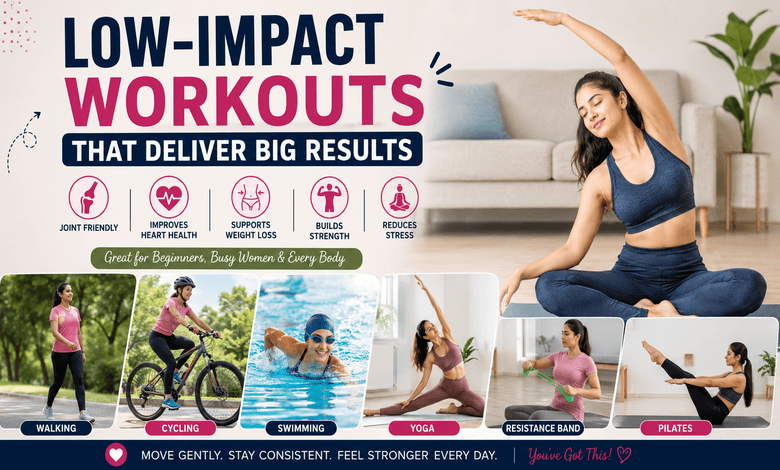
Many people believe that in order to get in shape, individuals should perform as many burpees as possible. Other people feel that they must run as fast as possible for short periods of time. There are various forms of exercise out there that will leave an individual feeling physically tired after exercising. However, there are also some of the best forms of exercise for the body that will leave individuals feeling great because they place less force upon the joints in the body.
Low-impact exercise can help individuals to lose weight, gain muscle, increase their fitness, and improve their mobility. Regardless of an individual’s fitness level or joint issues, there are many low-impact exercises that will deliver impressive results for those who commit to performing these exercises.
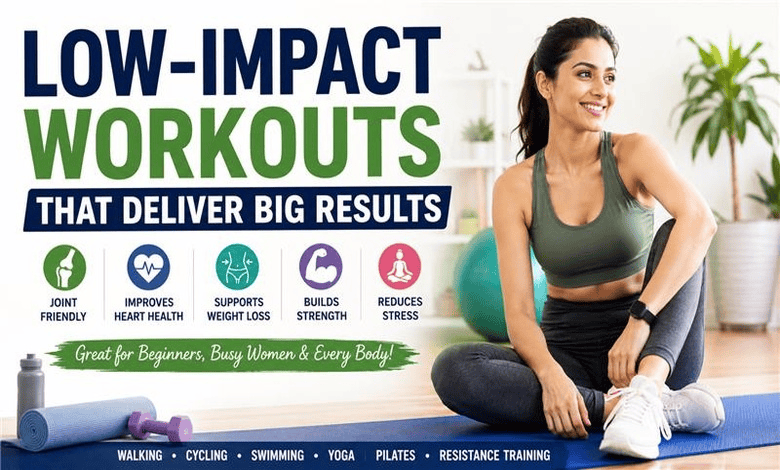
Why Low-Impact Exercise Is More Effective Than Most People Think
Some individuals may believe that low-impact exercise means that the individual is performing an exercise of low intensity. However, many low-impact exercises are some of the most challenging for the body, and they allow for individuals to continue to exercise without placing stress upon their joints or leading to injuries.
What Makes a Workout Low Impact?
Low-impact exercise means that the exercise will place minimal force upon the body’s joints. Some of the best low-impact exercises for individuals include:
Walking
Cycling
Swimming
Yoga
Pilates
Rowing
Elliptical training
Strength training
High-impact exercise includes sprinting, jumping, and jumping exercises with weights.
Note that low-impact does not mean that the exercise will be an “easy” exercise for individuals. Some of the best low-impact exercises for individuals include biking uphill or performing challenging Pilates exercises. Both of these exercises may be low impact for the body, but they are some of the most challenging forms of exercise that individuals perform.
The Science Behind Big Results From Low-Impact Training
Some of the benefits that low-impact exercise provides for individuals include:
- Improved cardiovascular health
- Better muscle development
- Enhanced mobility
- Consistent burn of calories
- Reduced risk of injuries
10 Low-Impact Workouts That Deliver Big Results
Walking
Some of the benefits of walking include improved heart health, improved endurance, weight management benefits, and the reduction of stress in the lives of individuals. To increase the benefits that walking provides for the body, individuals can take brisk walks for 30-45 minutes each day.
Cycling
Bicycling allows individuals to build the strength of their legs while minimizing the impact that exercise has upon their joints. Some of the benefits of cycling include the burn of calories, improved cardiovascular fitness, and the development of the lower body muscles of individuals. Indoor bikes can be utilized by individuals who suffer from joint issues like knees.
Swimming
Swimming is one of the best forms of exercise for individuals who are recovering from an injury in the body. Swimming provides an exercise for the entire body while minimizing the impact that the exercise has upon the body’s joints.
Pilates
Pilates exercises allow individuals to improve the strength, flexibility, balance and endurance of their muscles. Many athletes use Pilates exercises to improve their physical performance while reducing the likelihood of injuries.
Yoga
Aside from improving flexibility and posture through the performance of yoga poses, individuals who perform yoga find that they have reduced stress in their lives, have enhanced flexibility, and have an improved awareness of their bodies.
Resistance Band Training
Using resistance bands allows individuals to increase the development of their muscles while minimizing the impact upon their joints. Additionally, resistance bands are relatively low cost for individuals to purchase and use in the homes of individual athletes.
Bodyweight Strength Training
Body weight exercises like push-ups, squats, lunges, planks, and glute bridges allow individuals to develop their muscles without any accessories. Additionally, there are various forms of increasing the difficulty of body weight exercises as the strength of the body’s muscles develops.
Rowing
Using a rowing machine allows individuals to perform a low-impact exercise that simultaneously develops the entire body. Rowing exercises can develop the back, legs, core, shoulders and cardiovascular system. Rowing for 20 minutes is an extremely challenging exercise for many individuals.
Elliptical Training
The elliptical exercise mimics the movements required of running while minimizing the impact that the exercise has upon the joints. Elliptical training burns calories, develops endurance, and reduces stress upon the knees of individuals. For those who enjoy jogging, the elliptical is a common alternative exercise to jogging.
Low-Impact HIIT
High-intensity interval training, or HIIT, for many individuals includes jumping exercises. However, there are various forms of low-impact HIIT exercises, such as marching in place, performing fast squats, performing exercises with resistance bands, performing mountain climbers, or performing intervals with bikes.
How to Build a Weekly Low-Impact Workout Plan?
An example of each day’s workout for a week may include:
Day Workout
Monday: Brisk walk for 40 minutes
Tuesday: Resistance band strength training
Wednesday: Yoga or mobility exercise
Thursday: Cycling for 30-45 minutes
Friday: Body weight strength training exercises
Saturday: Swim or row
Sunday: Recovery walk or stretching
This type of suggested workout plan will provide benefits for each day of the week to develop the strength, endurance, and mobility of an individual’s body and to allow their body to recover from the exercises performed during the week.
Common Mistakes That Limit Results From Low-Impact Exercise
Only performing easy workouts for the body
Ignoring strength training exercises in the body
Skipping progression in the types of exercises performed
Not being consistent with the exercise routine performed by the individual
Neglecting to allow the body time to recover after performing exercise
Who Benefits Most From Low-Impact Exercise?
Individuals who are just beginning to exercise
Individuals of an older age
Individuals who experience joint pain issues
Professionals who are very busy with their schedules
Athletes who wish to recover after performing strenuous exercise routines.
Low-impact workouts do more than improve physical fitness—they can also support emotional well-being. Learn more about the connection between exercise and mental wellness in our guide on fitness and mental health.
Frequently Asked Questions
Can low-impact workouts assist with weight loss?
Yes, many low-impact workouts will assist individuals with losing weight if incorporated into their exercise routine with healthy nutrition habits. Studies have shown that participation in regular physical exercise can result in the reduction of body fat and weight of the individuals who perform these exercises.
Are low-impact workouts effective for the development of muscle?
Yes, low-impact exercises like body weight exercises, Pilates exercises and the use of resistance bands can all allow for the development of muscles of the body.
How many days per week should an individual perform low-impact workouts?
Most individuals can perform low-impact workouts four to six days each week.
Is walking enough exercise for an individual?
While walking provides many benefits to the body, increasing the type of exercise to include low-impact workouts that develop the strength of the muscles will provide more comprehensive benefits to the body.
Which type of low-impact workout will burn the most calories for an individual?
Swimming, cycling, rowing and low-impact HIIT workouts will burn the most calories for the individual in comparison to those who only perform easy and moderate exercise routines.
Conclusion
Individuals do not need to perform exercises that are as intense as others or place as much impact upon the joints of the body as possible. Low-impact exercise routines such as walking, cycling, swimming, Pilates, yoga, strength training and more will leave the body feeling better, stronger, have lost weight and have an increased range of motion in their bodies. By incorporating these exercises into an individual’s exercise routine and increasing the intensity of those exercises over time, these low-impact workouts can become the most successful form of exercise for their bodies.